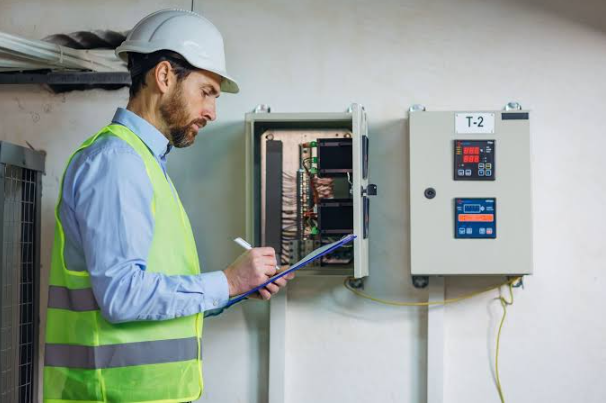
Electrical safety inspections are an essential part of maintaining a secure and dependable residential property. Every home relies on electrical infrastructure to operate lighting fixtures, heating systems, kitchen appliances, and electronic devices. Over time, electrical components can deteriorate due to regular use, environmental conditions, or increasing household power requirements.
For Chicago homeowners, professional electrical inspections are particularly valuable in older residential properties where wiring systems and distribution equipment may have been installed many years ago. Understanding what these inspections involve can help property owners recognize potential hazards, maintain reliable electricity, and plan necessary improvements.
Why Residential Electrical Inspections Are Important
Electrical systems contain several interconnected components responsible for distributing electricity safely throughout a property.
Circuit breakers, wiring connections, grounding arrangements, and protective equipment must operate correctly to maintain reliable performance.
Professional electrical inspections can provide several benefits:
- Identify deteriorating electrical components.
- Detect potentially dangerous wiring conditions.
- Evaluate existing electrical capacity.
- Identify signs of overheating or corrosion.
- Assess the suitability of protective devices.
- Support planning for future electrical improvements.
Regular assessments are particularly useful when a property experiences recurring electrical problems or undergoes major renovations.
What Electricians Examine During an Electrical Safety Inspection
A comprehensive inspection may involve evaluating different parts of the residential electrical installation.
Circuit Breaker Conditions
Circuit breakers protect individual electrical circuits against excessive current.
An electrician can evaluate whether installed breakers are compatible with the equipment and show evidence of deterioration.
Electrical Wiring Connections
Loose or damaged electrical connections may generate excessive heat and affect reliability.
Qualified professionals can inspect accessible connections using appropriate safety procedures.
Grounding and Bonding Arrangements
Proper grounding and bonding help support electrical safety and the operation of protective devices.
An inspection can identify arrangements that require corrective attention.
Electrical Equipment Enclosures
Electrical enclosures protect internal components against accidental contact and certain environmental conditions.
Visible damage, corrosion, or moisture exposure may indicate maintenance requirements.
Available Electrical Capacity
Professional load calculations help determine whether the existing installation can accommodate current and planned household electricity requirements.
Common Electrical Problems Found During Inspections
Professional assessments may reveal electrical conditions that are not immediately noticeable during everyday household activities.
Deteriorating Electrical Insulation
Electrical insulation can become damaged because of aging, physical wear, excessive heat, or environmental exposure.
Damaged insulation may increase the risk of short circuits and electric shock.
Incompatible Protective Components
Circuit breakers and other protective devices must be suitable for the specific equipment in which they are installed.
Improper component selection can compromise circuit protection.
Overloaded Electrical Circuits
Connecting too many high-powered appliances to an inadequately sized circuit can create excessive electrical demand.
A professional assessment can identify unsuitable circuit arrangements.
Moisture-Related Corrosion
Water intrusion can damage electrical connections and protective components.
Corroded equipment may require repair or replacement depending on the extent of the damage.
Improper Previous Modifications
Some properties contain electrical changes completed during earlier renovations.
Professional inspections can identify unsuitable wiring arrangements or components that do not meet applicable installation requirements.
Warning Signs That Indicate an Inspection Is Necessary
Homeowners should not ignore unusual electrical behavior.
Common warning signs include:
- Circuit breakers that trip frequently.
- Flickering or unexpectedly dimming lights.
- Burning odors near electrical equipment.
- Persistent buzzing or crackling sounds.
- Visible rust or corrosion.
- Discolored outlets or electrical enclosures.
- Unexpected power interruptions.
- Signs of overheating around electrical components.
These symptoms can have different causes. A qualified electrician should identify the underlying problem before repairs or modifications are attempted.
Smoke, visible sparking, or a strong burning smell may indicate an immediate hazard requiring emergency assistance.
When Should Homeowners Consider Major Electrical Improvements?
Inspection findings may indicate that certain electrical components require repairs or replacement.
Not every problem requires extensive modifications. Some issues can be resolved through suitable wiring repairs, individual circuit improvements, or compatible component replacement.
However, an electrical panel upgrade Chicago service may be appropriate when existing distribution equipment cannot safely accommodate calculated electricity demands, has significant deterioration, or lacks suitable arrangements for necessary additional circuits.
A licensed electrician can evaluate the equipment, determine the property’s electrical requirements, and recommend appropriate improvements.
Any necessary changes should comply with applicable Chicago electrical codes and permit requirements.
How Chicago’s Climate Can Affect Electrical Equipment
Chicago experiences significant seasonal temperature changes that can influence household electricity usage and environmental conditions.
Winter Heating Requirements
Homes using electric heating equipment may experience increased electrical demand during cold weather.
Appropriately rated circuits are important for supporting this equipment.
Summer Cooling Demand
Air conditioning systems can contribute substantially to household electricity consumption during warmer months.
Professional load evaluations can help determine whether existing infrastructure is suitable.
Basement Moisture
Some residential properties may experience basement humidity, condensation, or water intrusion.
Moisture around electrical equipment can contribute to corrosion and deterioration.
Storm-Related Electrical Damage
Strong winds, lightning, and utility disturbances can affect residential electricity supplies.
Electrical equipment showing signs of storm damage should be evaluated before continued use.
How to Prepare for a Professional Electrical Inspection
Homeowners can take several practical steps before arranging an electrical assessment.
Document Existing Electrical Problems
Record recurring breaker trips, lighting fluctuations, and other noticeable symptoms.
Providing this information can help electricians investigate potential problems.
Make Electrical Equipment Accessible
Remove storage boxes, furniture, and other obstructions from areas surrounding electrical distribution equipment.
Review Previous Electrical Work
Available permits, inspection reports, and repair records may provide useful information about the installation.
Identify Planned Home Improvements
Inform the electrician about additional appliances, renovations, or charging equipment that may increase electricity demand.
Ask About Inspection Findings
Homeowners should request an explanation of identified problems and the recommended corrective measures.
Preventive Maintenance Practices Between Inspections
Professional inspections are important, but basic maintenance habits can also help homeowners maintain electrical safety.
Avoid Overloading Circuits
Electrical appliances should be connected to appropriately rated circuits according to their power requirements.
Monitor Visible Equipment Conditions
Homeowners can observe the exterior of electrical enclosures for rust, discoloration, or damage without removing protective covers.
Protect Equipment From Water
Plumbing leaks and water intrusion should be addressed before moisture reaches electrical installations.
Maintain Accurate Circuit Labels
Clearly identified circuits make professional troubleshooting and maintenance more convenient.
Respond Promptly to Warning Signs
Repeated interruptions, burning odors, or unusual sounds should receive professional attention rather than being ignored.
Why Professional Electrical Inspections Are Safer Than DIY Evaluations
Electrical distribution equipment may contain energized components even when the main breaker is switched off.
Attempting internal inspections without suitable qualifications can expose homeowners to serious electric shock and burn hazards.
Licensed electricians have specialized training, testing equipment, and knowledge of electrical safety procedures.
They can evaluate protective devices, wiring arrangements, and equipment conditions while following applicable electrical requirements.
Professional documentation can also help homeowners understand the condition of their electrical infrastructure and prioritize necessary improvements.
Long-Term Benefits of Routine Electrical Assessments
Routine inspections can help identify developing problems before they cause unexpected equipment failures.
They also provide useful information when homeowners plan major renovations, install additional appliances, or evaluate changes in electricity consumption.
Professional assessments support better maintenance planning by distinguishing urgent safety concerns from improvements that can be scheduled.
Maintaining records of completed work can make future electrical evaluations more efficient and organized.
Conclusion
Electrical safety inspections play an important role in protecting Chicago residential properties and maintaining dependable electricity distribution.
Understanding common electrical problems, recognizing warning signs, and arranging qualified evaluations can help homeowners identify potential hazards and make informed maintenance decisions.
With professional inspections, proper electrical planning, and preventive maintenance, Chicago homeowners can support safe electrical performance while preparing their properties for changing household electricity requirements.